
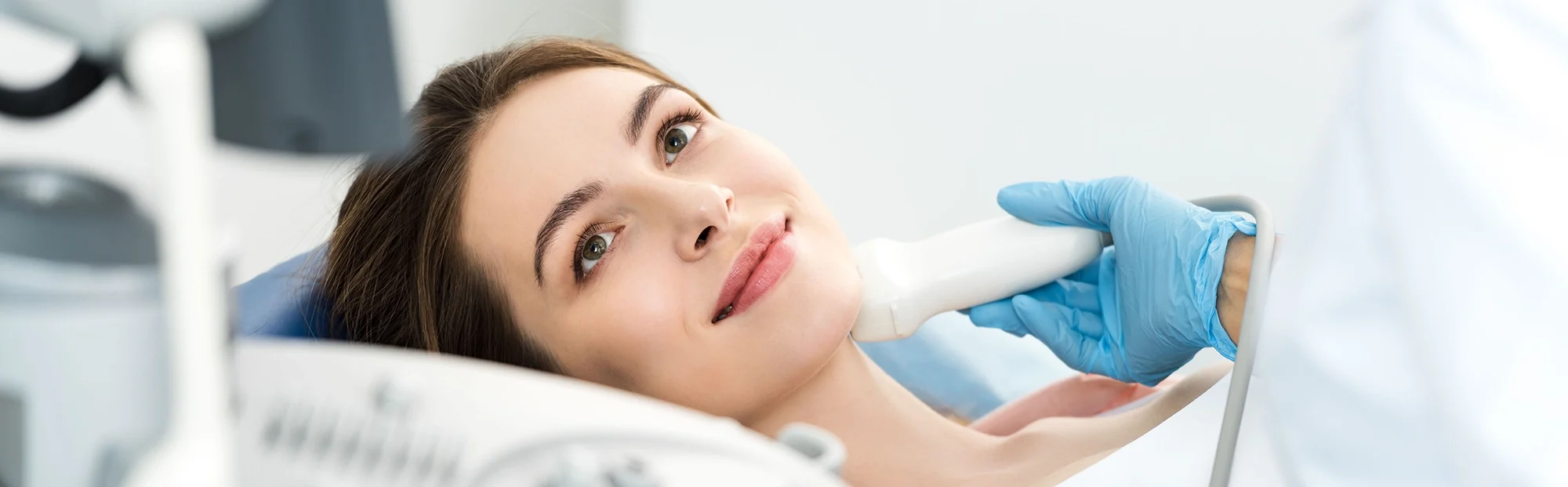

TMD Treatment at Peng Dental Care

What Is “TMD Treatment”?

TMD, also known as temporomandibular disorder, refers to problems affecting the jaw joints, jaw muscles, and the way your jaw moves. The temporomandibular joints are located on both sides of your face and help you chew, speak, yawn, and open or close your mouth comfortably. When these joints or surrounding muscles become strained, inflamed, or misaligned, you may experience jaw pain, clicking or popping sounds, headaches, facial discomfort, ear pain, or difficulty chewing.

TMD can affect daily comfort, sleep quality, and overall oral health if left untreated. Common causes may include teeth grinding, jaw clenching, stress, bite problems, arthritis, or injury to the jaw.


Why choose Peng Dental Care?

At Peng Dental Care, your comfort and long-term oral health are our top priorities. We understand that jaw pain can be frustrating and can affect more than just your smile. Our team provides gentle, personalized care to help identify the cause of your discomfort and recommend treatment options that fit your needs.

Expertise You Can Trust

Dr. Peng carefully evaluates your jaw joints, bite, teeth, and symptoms to better understand what may be causing your TMD discomfort. With advanced dental knowledge and a patient-focused approach, our team works to provide effective care designed to reduce pain, improve jaw function, and protect your teeth from further strain.

Personalized Treatment Plans

Every patient’s TMD symptoms are different. Some may experience mild jaw tension, while others may have frequent headaches, tooth wear, or difficulty opening their mouth. Dr. Peng creates a customized treatment plan based on your symptoms, oral health, bite alignment, and lifestyle habits.

Comfort You Can Feel

We know jaw pain can make simple daily activities uncomfortable. From your first consultation, our caring team takes time to listen, explain your options clearly, and make sure you feel supported throughout your treatment. Our goal is to help you feel more comfortable, confident, and in control of your oral health.

Major Insurance Providers Accepted

Peng Dental Care accepts most major insurance providers. Dr. Peng is an in-network Delta Dental Premier PPO Provider.

Get Started

Schedule an Appointment today!

Reserve your appointment today and take the first step toward relief from jaw pain, facial tension, headaches, and bite discomfort. Let our caring team help you restore comfort, improve jaw function, and protect your smile.

Schedule an appointment

FAQ

Common signs of TMD may include jaw pain, tenderness around the jaw joint, clicking or popping sounds, headaches, ear discomfort, facial pain, neck pain, difficulty chewing, or a jaw that feels locked or stiff. Some patients may also notice tooth sensitivity or worn teeth due to grinding or clenching.

TMD can happen for many reasons. Common causes include teeth grinding, jaw clenching, stress, bite imbalance, arthritis, injury, or overuse of the jaw muscles. Habits such as chewing gum frequently, biting nails, or clenching during the day can also make symptoms worse.

Treatment depends on the cause and severity of your symptoms. Many patients benefit from conservative treatments such as a custom night guard, oral appliance, jaw relaxation techniques, soft food recommendations, heat or cold therapy, and reducing habits like clenching or gum chewing. Nonsurgical options are usually recommended first.

Yes, a custom night guard may help if your TMD symptoms are related to teeth grinding or jaw clenching. It can reduce pressure on the jaw joints, protect your teeth from wear, and help the jaw muscles relax while you sleep.

No, most TMD treatments are gentle and non-invasive. The goal is to reduce discomfort, not create more pain. During your visit, Dr. Peng will examine your jaw and bite carefully and explain the most comfortable treatment options for your condition.

You should schedule a dental visit if your jaw pain continues, your jaw clicks or locks often, chewing becomes uncomfortable, or you experience frequent headaches with jaw tension. Early care can help prevent symptoms from getting worse and protect your teeth from damage caused by grinding or clenching.